
What Is a Good Humidity Level for a Basement?
October 21, 2026 · 6 min read · Y2 Design & Build
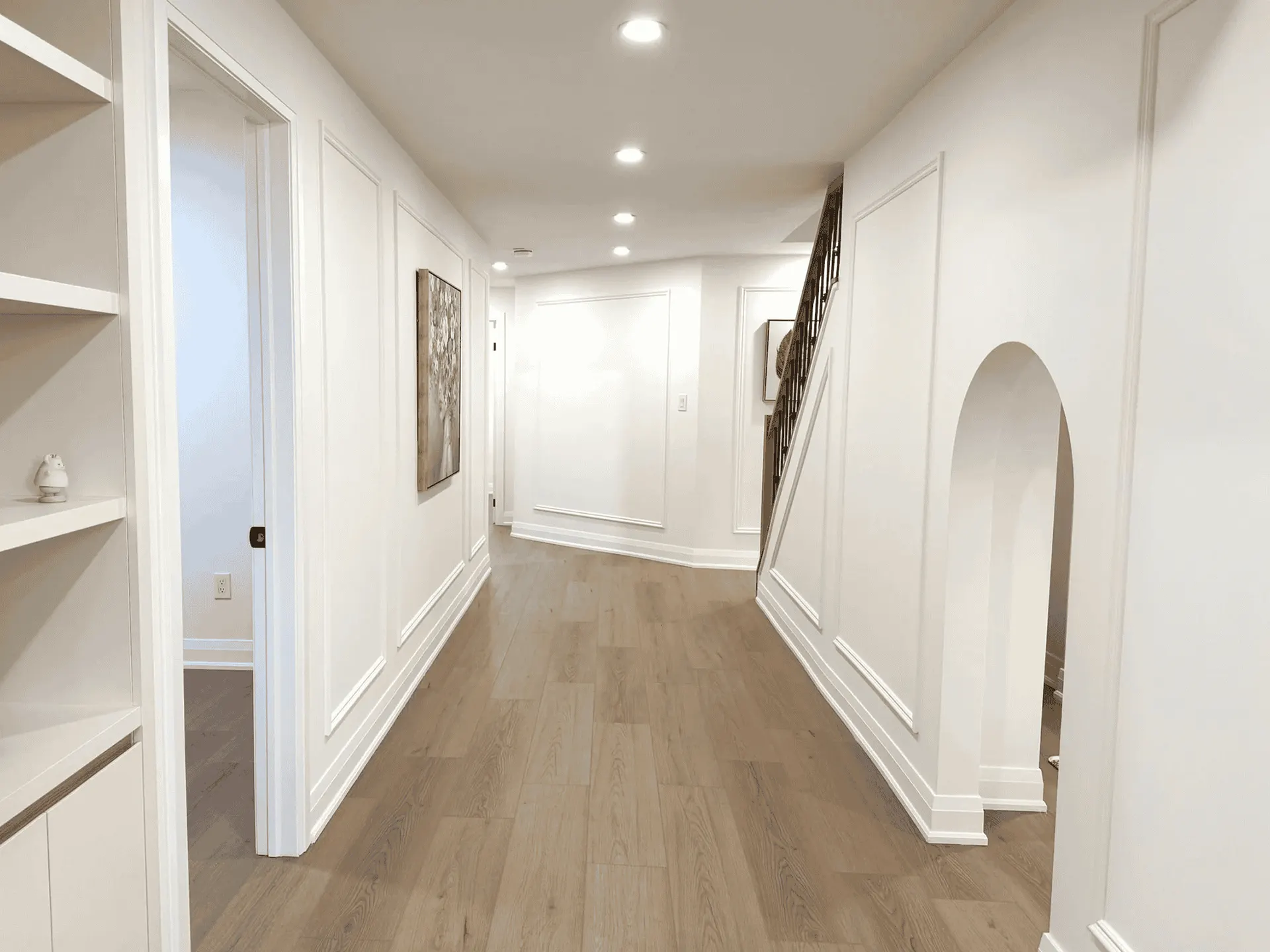
Most people never think about basement humidity until something goes wrong. A musty smell that won’t go away. Condensation dripping down a cold water pipe. A box of old photos that comes out of storage warped and spotted. By then, moisture has usually been building for months.
In Canada, managing humidity is a bit more complicated than in many places. We deal with muggy summers, bone-dry winters, and a spring thaw that sends meltwater toward every foundation in the neighborhood. The right humidity level isn’t a single number you set once and forget. It shifts with the seasons, and understanding why makes it much easier to keep your basement healthy, comfortable, and ready for whatever you plan to do with it.
The Short Answer: 30 to 50 Percent
For most homes, a basement should sit somewhere between 30 and 50 percent relative humidity. Above 50 percent, mold and dust mites start to thrive. Above 60 percent, you’ll often notice it, with that damp, heavy feel in the air and a smell to match.
Go too low, though, and you trade one set of problems for another. Very dry air can crack wood trim and flooring, shrink door frames, and leave everyone in the house with dry skin and static shocks.
Why the Ideal Number Changes in Winter
Here’s the part many guides skip, and it matters a lot in Canada. When it’s freezing outside, your basement windows, rim joists, and foundation walls get cold. Warm, humid indoor air hits those surfaces and condenses, the same way a cold glass sweats on a summer day.
That’s why you’ll want to aim lower as temperatures drop. A general rule of thumb:
- Summer: keep it at or below 50 percent
- Spring and fall: around 40 to 45 percent
- Mild winter days (around 0°C): roughly 35 to 40 percent
- Deep cold (−20°C and below): closer to 30 percent
If you start seeing frost or water droplets on the inside of basement windows in January, that’s your house telling you the humidity is too high for the outdoor temperature.
How to Measure It
You can’t manage what you don’t measure. A digital hygrometer costs less than a takeout dinner at most hardware stores and gives you an accurate reading within minutes. Put it somewhere central, away from the laundry area, the furnace, or a bathroom, so you’re getting a fair picture of the whole space.
Check it at different times of year. A basement that reads 42 percent in November might jump to 68 percent in July. That’s useful information, especially if you’re thinking about finishing the space.
Signs Your Basement Humidity Is Too High
Even without a hygrometer, a damp basement tends to give itself away. Watch for:
- A musty or earthy smell, especially in corners or closets
- Condensation on cold water pipes, ductwork, or windows
- Peeling paint or bubbling drywall
- White, chalky residue on concrete walls
- Mold or mildew spots on stored items, baseboards, or the backs of furniture
- Rust on metal shelving, tools, or appliances
Any one of these is worth paying attention to. Two or three together usually mean moisture has been a problem for a while.
How to Bring Humidity Down
Once you know the level is too high, the fix is usually straightforward. A properly sized dehumidifier is the workhorse here. Set it to around 45 percent and, if you can, connect a hose to a floor drain or sump pit so it runs continuously without you emptying a bucket twice a day.
Beyond that, focus on where the moisture is coming from:
- Make sure your clothes dryer vents fully outdoors and the duct isn’t loose or crushed
- Keep basement windows closed on hot, humid summer days
- Clean gutters and extend <a href="https://www.epa.gov/soakuptherain/soak-rain-disconnect-redirect-downspouts" class='underline' rel='nofollow' target='_blank'>downspouts</a> at least six feet from the foundation
- Check that the soil around your house slopes away from the walls
- Run the bathroom exhaust fan during and after every shower
Air movement helps too. Leave interior doors open, and make sure your furnace has a return vent pulling air from the basement so it isn’t sitting stagnant.
What If It’s Too Dry?
This mostly happens in winter, when the furnace runs constantly, and the outdoor air holds very little moisture. A whole-home humidifier attached to your furnace can help, but set it carefully. It’s easy to overdo it and end up with wet windows and damp walls. Many homeowners find a small portable humidifier upstairs in the bedrooms is enough, while the basement stays naturally on the drier side.
Why Humidity Matters Before You Finish a Basement
If your basement is still unfinished, now is the time to get humidity under control. Drywall, carpet, wood framing, and insulation all soak up moisture, and once they’re covered, problems hide out of sight for years.
Homeowners planning a basement renovation in Markham should track humidity through at least one full summer if possible. It tells your contractor whether you need extra waterproofing, a dedicated dehumidifier, or an HRV (heat recovery ventilator) to keep fresh air moving through the finished space.
Material choices make a difference as well. Rigid foam insulation applied directly to the concrete, mold-resistant drywall, and vinyl plank flooring all hold up far better in a basement than fiberglass batts, standard drywall, and wall-to-wall carpet.
Talk to Y2 Design & Build About Your Basement
We’ve finished basements in homes across Markham and the surrounding GTA, and moisture is one of the first things we look at on every site visit. Before we frame a single wall, we want to know how your basement behaves through the seasons, so the finished space stays dry and comfortable long after we’ve packed up. If you’re considering a basement renovation in Markham, give us a call and let’s take a look at what your basement needs.
Planning a renovation?
Get a free, itemized quote for your project — no pressure, no hidden fees.
or call (647) 507-3639