
How to Remodel Your Basement on a Budget
October 21, 2026 · 6 min read · Y2 Design & Build
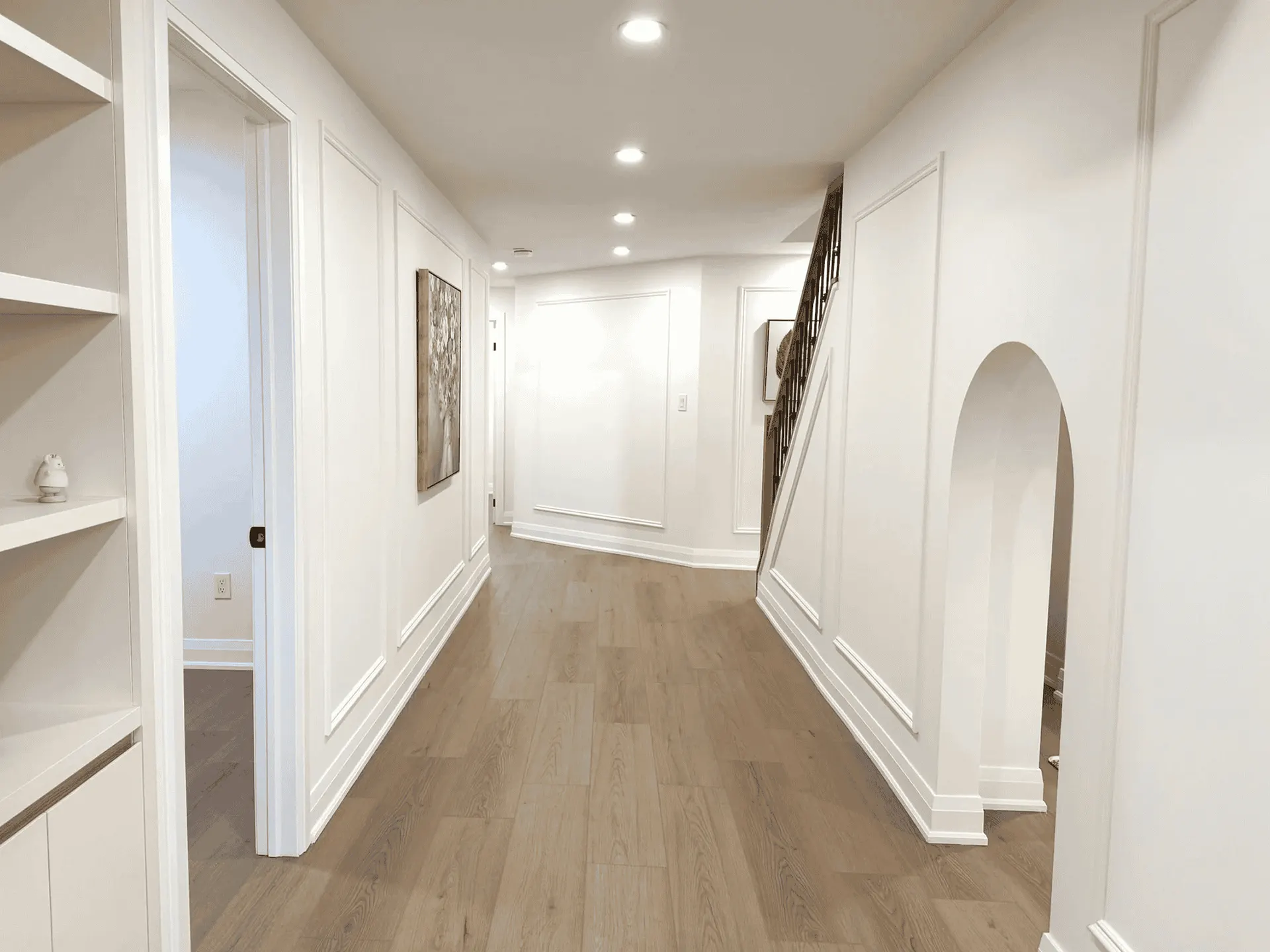
For a lot of GTA homeowners, the basement is the most affordable square footage they’ll ever add. The foundation, walls, and roof are already there. You’re not pouring a new addition or dealing with exterior work. Yet basement projects still have a way of growing well past the number people first had in mind.
It usually happens one decision at a time. A slightly nicer floor, an extra pot light here, a wet bar that wasn’t in the original plan. None of it feels expensive on its own, but together it adds up quickly. The trick to a budget-friendly basement renovation isn’t buying the cheapest everything. It’s knowing which choices actually move the needle on cost and which ones you’ll regret skimping on.
Start With an Honest Budget
Before you browse a single flooring sample, figure out what you can comfortably spend, then work backward. A realistic budget should cover more than materials. Make sure you account for:
- Permits and inspections
- Labor for any trades you’re hiring
- Materials, including the boring stuff like fasteners, adhesive, and trim
- Fixtures, lighting, and hardware
- A contingency of roughly 10 to 15 percent for surprises
That last point matters more in basements than almost anywhere else. Once the old drywall comes down, you might find a hairline crack that’s been leaking, outdated wiring, or insulation that needs replacing. Having money set aside means a surprise slows you down instead of stopping the project.
Fix Moisture Before You Spend on Finishes
This is the least exciting part of any basement project and the most important. Finishing over a damp foundation is the fastest way to waste money, because you’ll eventually be tearing out mouldy drywall and swollen flooring and paying for everything twice.
Walk the space after a heavy rain or during the spring thaw. Look for water stains, white chalky residue on the concrete, or a musty smell. Check that your gutters are clear and your downspouts carry water well away from the house. If something seems off, deal with it now while the walls are open.
Keep the Layout Simple
Every wall you build costs money in framing, drywall, mudding, paint, trim, and often electrical. An open-concept basement is not just a design trend. It’s genuinely cheaper.
Plan your rooms around what’s already there. Your furnace, water heater, electrical panel, and existing drain lines aren’t easy or cheap to move. Putting a new bathroom right beside the existing plumbing stack can save thousands compared to running lines across the slab to the other side of the house.
If you need separate spaces, consider:
- Using furniture, rugs, or open shelving to define zones instead of walls
- Building only the rooms that truly need privacy, like a bedroom or bathroom
- Leaving the mechanical room unfinished but neatly enclosed
Smart Places to Save
Some upgrades look great without the big price tag. These are the areas where a little creativity goes a long way:
- Flooring: Luxury <a href="https://en.wikipedia.org/wiki/Vinyl" class='underline' rel='nofollow' target='_blank'>vinyl</a> plank handles basement moisture well, installs quickly, and costs far less than hardwood or engineered wood. It’s also warmer underfoot than tile.
- Ceiling: Instead of drywalling the ceiling, some homeowners paint the exposed joists and ductwork a single dark or light color. It keeps ceiling height and gives an industrial look for a fraction of the cost.
- Cabinetry: Stock or ready-to-assemble cabinets for a laundry area or wet bar look polished with upgraded handles.
- Doors and trim: Simple, paint-grade doors and plain trim look clean and modern. Ornate profiles cost more and date faster.
- Lighting: Slim LED pot lights are affordable and work well under low ceilings, so you don’t need pricey statement fixtures in every room.
Where You Shouldn’t Cut Corners
Saving money is the goal, but a few things are worth paying properly for, because getting them wrong costs much more down the road.
Insulation is one. Rigid foam board against the concrete, rather than fiberglass with plastic sheeting, keeps the space warmer and helps prevent condensation from getting trapped in the walls. Electrical work is another. It should be done safely and inspected, both for your family’s protection and for your home insurance.
If you’re adding a bedroom, it needs a properly sized egress window under the Ontario Building Code. It’s not optional, and skipping it can cause problems when you sell. Permits fall in the same category. A permitted basement renovation protects your resale value and gives buyers confidence the work was done right.
Decide What You’ll Do Yourself
Doing some of the work yourself is one of the easiest ways to stretch your budget, as long as you’re honest about your skills and your time. Tasks most handy homeowners can take on include:
- Demolition and hauling away debris
- Painting walls and ceilings
- Installing click-lock vinyl flooring
- Putting up baseboards and trim
- Assembling furniture and shelving
Leave plumbing, electrical, structural changes, and anything involving your gas lines to licensed professionals. A mistake there costs more to fix than hiring someone in the first place.
Think in Phases
You don’t have to finish everything at once. Many families start with the essentials, such as insulation, flooring, lighting, and a usable family room, and add a bathroom, bar, or home gym a year or two later. Rough in the plumbing and electrical for future features during the first phase so you’re not opening walls again later.
Get It Done With Y2 Design & Build
Our team at Y2 Design & Build works with homeowners across Markham and the GTA who want a finished basement without the budget spiraling out of control. Because we handle design and construction together, we can show you early on where your money makes the biggest impact and where a simpler option works just as well. If you’re planning a basement renovation and want a clear, honest quote, get in touch, and we’ll walk through your space with you.
Planning a renovation?
Get a free, itemized quote for your project — no pressure, no hidden fees.
or call (647) 507-3639