
How to Get Rid of Musty Smell in Basement
October 21, 2026 · 6 min read · Y2 Design & Build
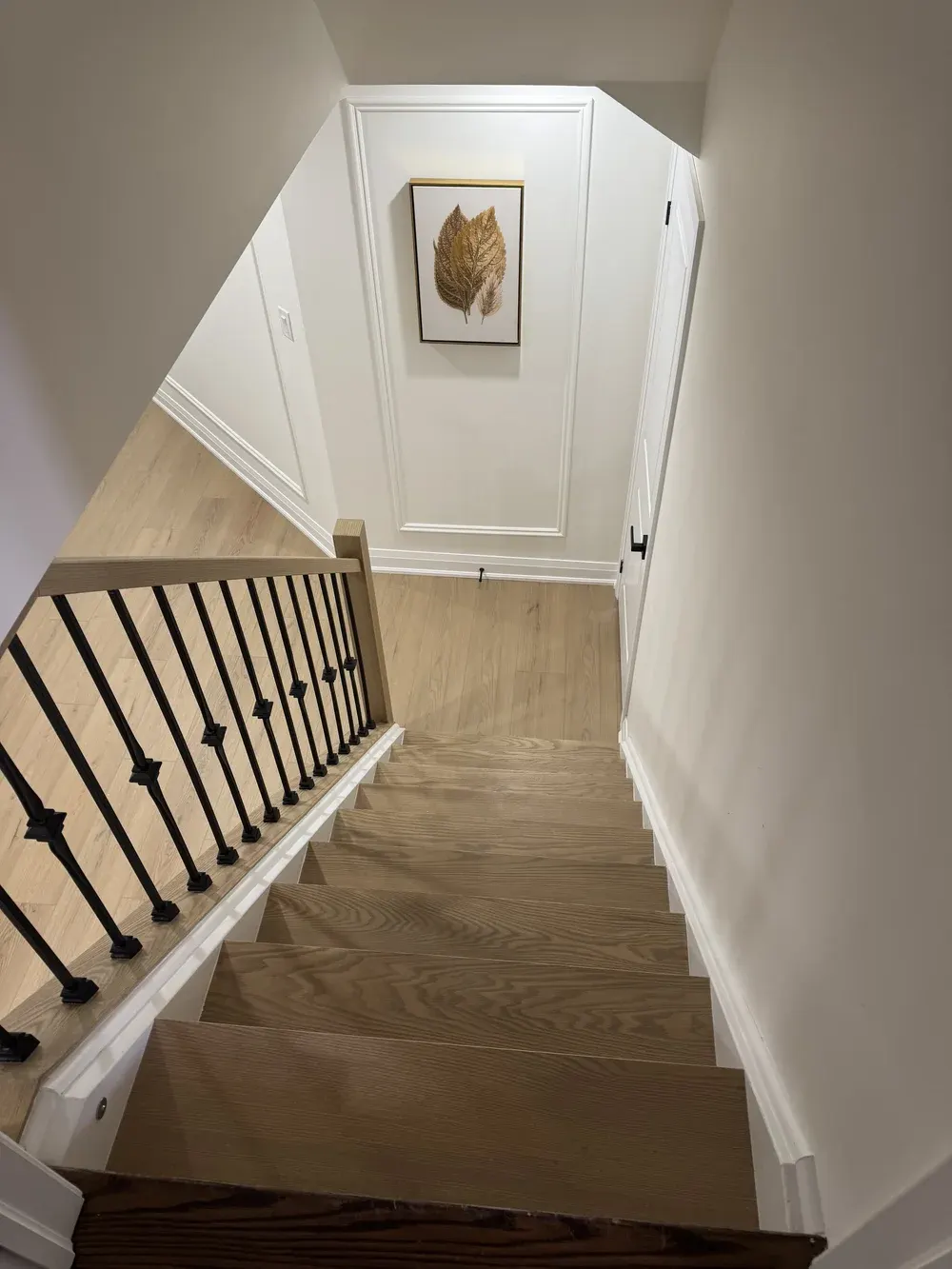
You open the basement door, and it hits you right away. Damp cardboard, old towels, a hint of wet earth. Most homeowners in Ontario know that smell well. Between spring thaw, sticky July humidity, and concrete foundations that never fully dry out, basements here are practically built to collect it.
The usual response is a plug-in air freshener or a scented candle on the dryer. That works for about an afternoon. The smell always comes back because it isn’t really an odor problem. It’s a moisture problem, and the odor is just how your house is telling you about it.
What That Musty Smell Actually Is
The smell comes from gases that mould and mildew release as they grow. They need three things to thrive: moisture, something organic to feed on, and still air. Basements offer all three. Drywall paper, carpet, wood framing, stacked boxes, and even dust give mold plenty to eat, and once the relative humidity creeps above 60 percent, growth speeds up fast.
So the goal isn’t to cover the smell. It’s to take away the conditions that create it.
Find the Source Before You Fix Anything
Pick up a hygrometer from any hardware store. They cost around $15 to $30 and tell you the humidity level in the room. Most building experts suggest keeping a basement between 30 and 50 percent. If yours reads 65 or 70, you’ve already found a big part of the answer.
Then follow your nose. Check corners, the space under the stairs, behind furniture pushed against outside walls, around windows, near the laundry area, and beside the sump pit. Lift the edge of any carpet and press your hand to the underpad.
One test worth trying: tape a 12-inch square of aluminum foil tightly to the foundation wall and leave it for two days. If moisture forms on the side touching the wall, water is coming through the concrete. If it forms on the room side, the issue is humid air condensing on a cold surface. The fix for each is different, so this little experiment saves you guessing.
And if the smell seems strongest near the floor drain, the trap may simply have dried out, letting sewer gas drift up. Pour a bucket of water down it. Problem solved more often than you’d think.
Things You Can Do This Weekend
Start by getting rid of cardboard. It soaks up moisture and smells long after the box looks dry. Move stored items into plastic bins on wire shelving so nothing sits directly on the floor. Wash any fabrics that have been down there a while, like old curtains, camping gear, or that spare rug.
Clean visible mildew on hard surfaces with warm water and dish detergent, then dry the area thoroughly. Never mix bleach with ammonia-based cleaners. You can handle small patches yourself, but if mold covers a large area or keeps returning after cleaning, bring in a professional.
A common mistake is opening basement windows in summer to “air it out.” Warm, humid outdoor air hits the cool basement and dumps its moisture onto walls and floors. Open windows only when the air outside is cool and dry, like a crisp fall day.
Get Humidity Under Control
A good dehumidifier is the single most useful tool here. Choose one rated for your square footage, set it to around 45 percent, and if possible, run a hose to the floor drain or sump pit so you’re not emptying a bucket twice a day. Clean the filter every few weeks during summer.
Air movement matters too. Keep interior doors open, run a small fan, and make sure your furnace has a return vent pulling air from the basement. Check that your dryer vents fully to the outside and the duct isn’t crushed or disconnected behind the machine. A leaky dryer vent can pump gallons of moisture into the space every week.
Stop Water Where It Starts
Much of basement moisture begins outside. Clean your gutters every fall, and extend downspouts at least six feet away from the foundation. Look at the soil around your house. It should slope away from the walls, not toward them. Window well covers keep rain and snowmelt from pooling against basement windows.
Inside, small hairline cracks in poured concrete can be sealed with a polyurethane or epoxy injection kit. Wider cracks, or any that actively leak, need a foundation contractor. Test your sump pump before the spring thaw by pouring water into the pit and watching it kick on.
When the Smell Lives Inside the Walls
If you have a finished basement and the smell won’t budge despite all of the above, the source is likely hidden. Older basements were often finished with fiberglass batts and plastic vapor barrier pressed right against the concrete. Moisture gets trapped between the plastic and the foundation, and mold grows quietly behind perfectly clean-looking drywall.
At that point, a basement renovation is usually the only lasting fix. Modern methods are far more forgiving: rigid foam insulation applied directly to the concrete, mold-resistant drywall, dimpled subfloor membranes that let air move beneath the finished floor, and luxury vinyl plank in place of carpet.
Basement bathrooms deserve special attention. A shower without a properly vented exhaust fan or waterproofing behind the tile can keep the whole level damp. If you’re planning a basement renovation that includes a bathroom, ventilation and waterproofing should be part of the plan from day one, not an afterthought.
Keep It Fresh All Year
In spring, test the sump pump and check for new cracks after the thaw. Through summer, keep the dehumidifier running and windows closed on humid days. In fall, clean gutters and check that downspouts are still pointing away from the house. Over winter, watch for condensation on basement windows, which is an early sign humidity is creeping up again.
How Y2 Design & Build Can Help
We’re a design-build renovation company based in Markham, working with homeowners across the GTA. When we take on a basement renovation, we start by tracking down where the moisture is coming from, because finishing over a damp foundation just hides the problem for a few years.
From insulation and subfloors to bathrooms that are properly vented and waterproofed, we build basements meant to stay dry and comfortable. If your basement has a smell you can’t shake, get in touch and we’ll take a look.
Planning a renovation?
Get a free, itemized quote for your project — no pressure, no hidden fees.
or call (647) 507-3639