
How Long Does a Bathroom Renovation Take? A Realistic Timeline
September 1, 2026 · 6 min read · Y2 Design & Build
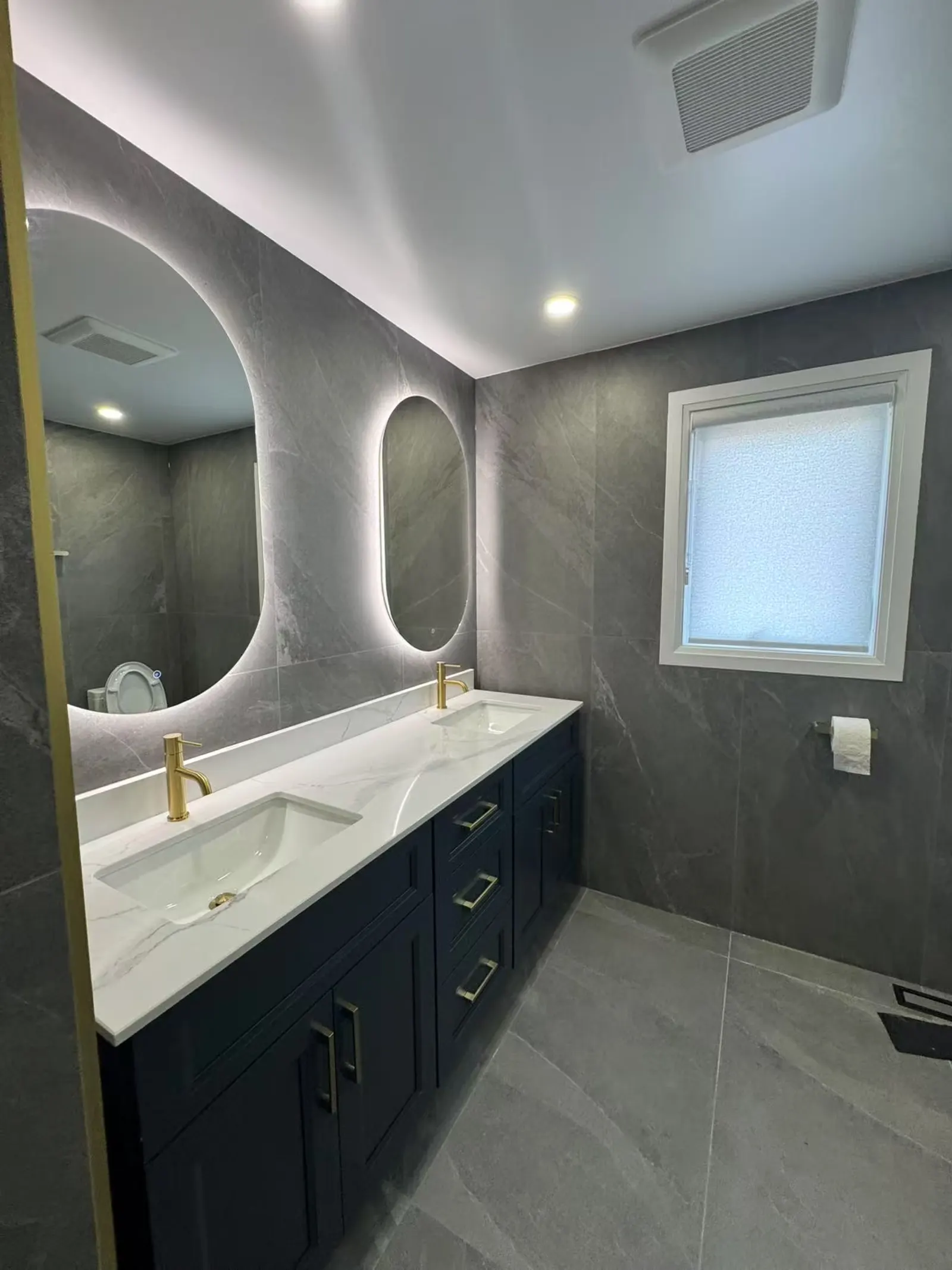
You know that moment when you start imagining your bathroom completely transformed? Maybe it's the outdated vanity that's bothered you for years, the tiny shower that never feels comfortable, or a bathroom that no longer suits how your family uses it.
Then comes the practical question: How long will all of this actually take?
The honest answer is that no single timeline works for every project. A simple update can be wrapped up surprisingly quickly, while a full gut renovation can take considerably longer. The room size, the amount of work involved, materials, plumbing changes, and even what you discover behind the walls can all affect the schedule.
Here's what you can realistically expect when planning a bathroom renovation.
So, How Long Does It Really Take?
For a straightforward bathroom project, the construction itself can often be completed in about 7–10 days. A standard four-piece bathroom may take closer to 10–12 days, while a more elaborate luxury bathroom can take around 2–3 weeks. These timeframes are based on the construction phase and assume the project is well planned and materials are ready.
That doesn't necessarily mean your entire project will be finished within 10 days of making the first phone call. There is a difference between planning time and construction time, and understanding that distinction can prevent a lot of frustration.
Stage 1: Consultation and Planning
Before the demolition begins, your contractor needs to understand exactly what you're trying to accomplish.
This usually starts with an in-home consultation. The contractor takes measurements, reviews the existing plumbing and electrical setup, and discusses your preferred layout, fixtures, finishes, and budget.
This is also when you should ask the questions that matter later: Are walls moving? Is the shower changing location? Will new plumbing be required? Are permits necessary? Which materials need to be ordered?
It may be tempting to rush through this stage because nothing appears to be happening yet. In reality, good planning is one of the biggest reasons a renovation stays on schedule.
Stage 2: Choosing Materials
Tiles, vanities, faucets, toilets, shower systems, mirrors, and lighting all have to be selected before they're needed on site. This is where homeowners can unintentionally add days or weeks to a project. If the tile you love is out of stock or the vanity has a long lead time, construction may have to wait.
The safest approach is to make your selections early and confirm that everything will be available when the contractor needs it. A beautiful bathroom isn't much use if the installation team is standing around waiting for the shower fixtures to arrive.
Stage 3: Demolition
Once everything is planned and ready, the visible transformation finally begins. Demolition is usually one of the fastest parts of the process, but it can also be one of the messiest. You may need to remove existing fixtures, cabinets, flooring, tile, and drywall before the new bathroom can take shape.
This is also the point when the contractor gets a much clearer look at what's underneath. You could discover water damage, outdated plumbing, poor previous workmanship, or other problems that weren't visible during the initial inspection. These issues don't happen on every project, but they are one reason it's unwise to plan a renovation down to the exact last hour.
Stage 4: Plumbing and Electrical Work
If you're keeping everything in the same location, this stage may be relatively straightforward. But moving a toilet, relocating a shower, adding lighting, or installing new electrical features can make the project more involved. Depending on the changes, you may also need permits and inspections.
This work happens before the walls are closed because once everything is covered with drywall and tile, accessing those systems becomes much more difficult. It isn't the most exciting part of the renovation because most of it eventually disappears behind the walls, but it's some of the work that matters most to your bathroom's long-term performance.
Stage 5: Waterproofing and Wall Preparation
A bathroom has one major enemy: moisture. Before the beautiful tile goes up, the underlying surfaces need proper preparation and waterproofing, especially around showers and other wet areas.
This is a stage where rushing can create expensive problems later. A bathroom may look perfect when it's finished, but inadequate waterproofing can eventually lead to leaks, mold and water damage.
Allowing the appropriate time for preparation and installation is far more important than shaving a day off the schedule.
Stage 6: Tile, Flooring and Fixtures
Now the room starts looking like the bathroom you originally imagined. Tile goes in, flooring is installed, cabinets and vanities are fitted, and countertops and other major elements begin to come together. Once the finishes are in place, fixtures such as toilets, faucets, mirrors, and lighting can be installed.
This stage can move quickly when everything is ready, and the layout is straightforward. Intricate tile patterns, large-format tiles, custom cabinetry or specialty fixtures can take longer.
Stage 7: Final Details and Inspection
The last few days focus on making sure the details are right. Cabinet hardware is installed. Mirrors go up. Fixtures are tested. Touch-up work is completed. The space is cleaned and the contractor conducts a final walkthrough.
At this point, take your time looking around. Open every drawer. Turn on the faucets. Check the shower. Look closely at the tile and grout. Make sure doors and cabinets operate properly, and that everything you've paid for is complete. A proper final walkthrough lets you identify anything that needs attention before the project is officially wrapped up.
What Can Make a Bathroom Renovation Take Longer?
Even a well-organized bathroom renovation can encounter delays. Some are avoidable; others simply aren't.
Common factors include:
- Changing the layout: Moving plumbing or electrical systems adds work.
- Material delays: Backordered or custom products can hold up installation.
- Hidden damage: Water damage or outdated infrastructure may need to be repaired.
- Permit and inspection requirements: Required approvals can affect the schedule.
- Custom finishes: Specialty tile, cabinetry, or glass can require additional time.
- Last-minute changes: Changing your selections after work begins can disrupt the sequence.
The best contractors don't pretend these things never happen. Instead, they build realistic schedules and communicate quickly when circumstances change.
Bathroom Renovations Built Around Your Home
At Y2 Design & Build, we take care of the bathroom renovation process from the initial consultation through the final walkthrough. We provide free, no-obligation in-home assessments, written itemized quotes covering materials and labor, and a dedicated project manager who keeps the work moving on a locked schedule.
Our team has more than 14 years of experience and 500+ completed projects across the GTA, with licensed, insured and WSIB-covered trades handling the work. We also manage required permits ourselves and can provide design support and 3D visuals when they are useful for your project.
Planning a renovation?
Get a free, itemized quote for your project — no pressure, no hidden fees.
or call (647) 507-3639