
Does Your Home Insurance Cover a Renovation?
September 29, 2026 · 7 min read · Y2 Design & Build
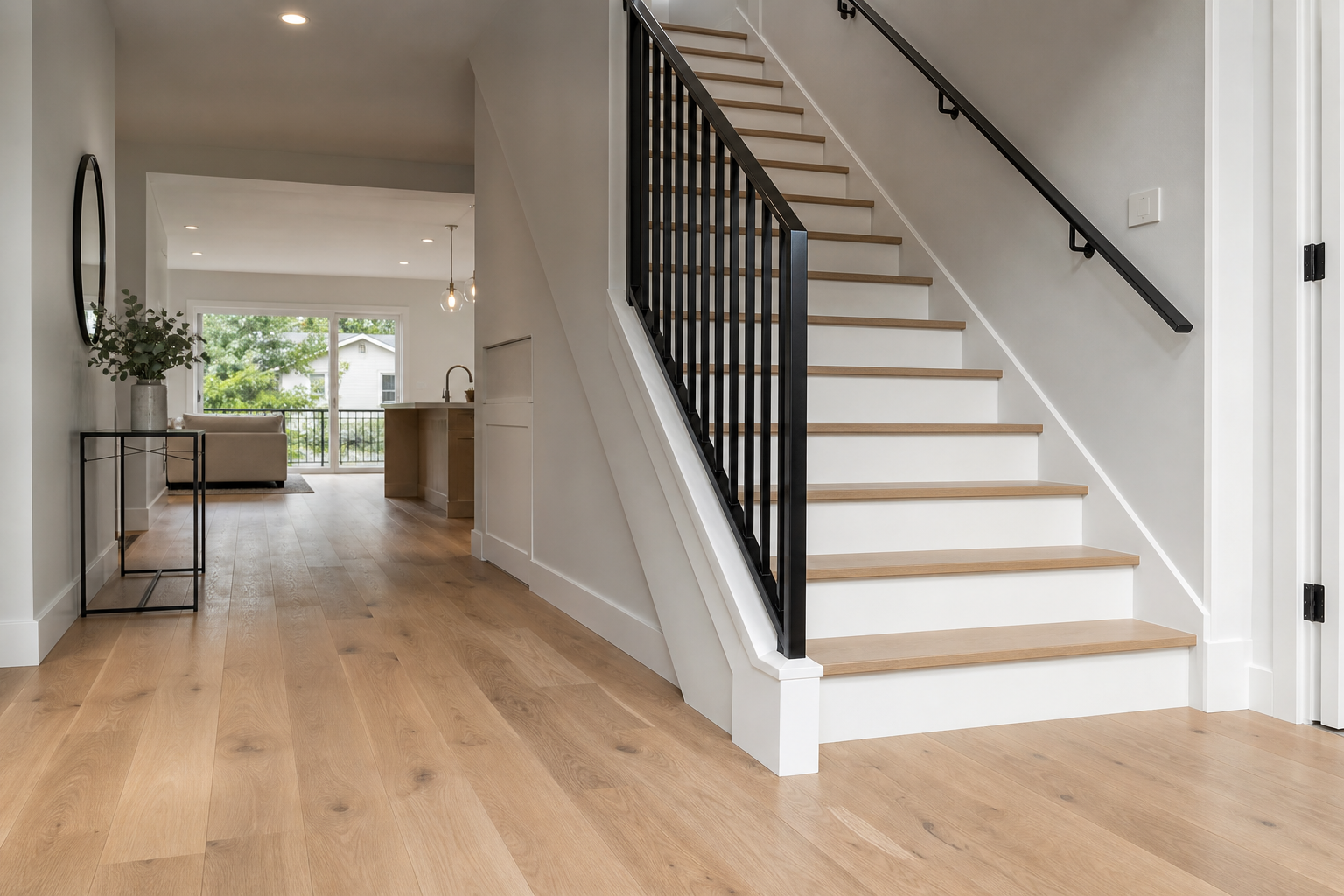
Planning a renovation can involve everything from replacing outdated finishes to removing walls, upgrading electrical systems, or adding new living space. While homeowners often focus on budgets, permits, and contractors, insurance is another important consideration before work begins. A standard home insurance policy may continue to provide coverage during renovations, but the protection you have can change depending on the scale and nature of the work.
If you are planning home renovation in Markham, understanding how your insurance responds before construction starts can help you avoid unexpected coverage gaps.
Does Home Insurance Cover Renovations?
There is no single answer because coverage depends on your policy, the type of renovation, and the circumstances surrounding a loss.
A standard homeowners policy generally covers risks such as fire, theft, certain types of water damage, and other insured perils. However, renovations can introduce additional risks that may require you to notify your insurer or obtain specific coverage.
For example, opening walls can expose electrical wiring and plumbing. Structural work can temporarily change the condition of the property. Construction materials may be stored on-site, contractors may bring equipment onto the property, and parts of the home may be unoccupied while work takes place.
Your existing policy may cover some of these risks, but it should not automatically be assumed that every renovation-related loss will be covered.
Why You Should Tell Your Insurer Before Renovating
One of the most important steps homeowners can take is contacting their insurance company before construction begins.
Your insurer may want details about:
- The type of renovation
- Estimated project cost
- Expected construction period
- Whether you will remain in the home
- Structural changes being made
- Electrical, plumbing, or <a href="https://en.wikipedia.org/wiki/Heating,_ventilation,_and_air_conditioning" class='underline' target='_blank' rel='nofollow'>HVAC</a> modifications
- Whether the property will be vacant
- The contractor performing the work
- Whether permits are required
- Whether additional structures or living areas are being created
Your insurer can then explain whether your existing policy remains adequate or if an endorsement, increased coverage, or specialized policy is required.
Failing to disclose a significant renovation can create complications if a major claim occurs during construction. The exact consequences depend on the policy wording and circumstances, so obtaining confirmation in writing is a sensible precaution.
Renovations Can Increase Your Home's Replacement Cost
A renovation can also change the amount it would cost to rebuild your home after a covered loss. For example, replacing basic finishes with custom cabinetry, upgraded flooring, premium fixtures, or higher-end materials can increase the value of the improvements. A basement renovation can add finished living space, while an addition can increase the home's overall size.
After home renovation in Markham, review whether your dwelling coverage and other limits still reflect the property's updated condition.
Remember that the amount your home is worth on the real estate market is different from its insurance replacement cost. Insurance coverage is generally concerned with the cost of repairing or rebuilding the insured property after a covered loss, subject to the policy's terms and limits.
What Happens If a Contractor Causes Damage?
Another important issue is responsibility for damage caused during construction. Suppose a contractor accidentally causes a fire while performing electrical work or damages your plumbing system. Depending on the circumstances, your homeowners insurance, the contractor's commercial liability insurance, or another source of coverage may become relevant.
This is why homeowners should verify that contractors carry appropriate insurance before work starts. Ask for proof of:
- Commercial general liability insurance
- Workers' compensation coverage where applicable
- Appropriate trade licensing
- Contractor credentials
- Written contracts describing the scope of work
Do not rely solely on a contractor's verbal assurance that they are insured. Ask for documentation and check that the coverage is current.
What About Theft of Construction Materials?
Construction sites can contain expensive materials, appliances, fixtures, tools, and equipment. Some items may be covered under your policy, while others may have limitations or exclusions. For example, coverage can depend on who owns the materials, where they are stored, when they were purchased, and whether they have been installed.
If you have expensive materials stored at the property before installation, tell your insurer about them. This is especially important for large renovations where substantial amounts of flooring, cabinetry, appliances, plumbing fixtures, or other materials may remain on-site for weeks.
Does Renovation Insurance Exist?
For larger or more complicated projects, homeowners may need specialized renovation or builder's risk coverage. The exact product and availability vary between insurers. Such coverage can potentially address construction-related risks that are not adequately addressed by a standard homeowners policy.
It may be worth discussing specialized coverage if your project involves:
- Major structural changes
- A home addition
- Extensive demolition
- Significant electrical or plumbing work
- A substantial basement conversion
- A property that will be vacant
- Construction lasting several months
- Extensive high-value materials
- Major changes to the building envelope
Your insurance professional can determine what type of protection is appropriate based on the specific project.
Will Your Insurance Cover Contractor Mistakes?
Home insurance is not a general warranty for poor workmanship. If a contractor installs something incorrectly, uses defective materials, or performs work that does not meet applicable requirements, the resulting issue may not automatically be covered as an insured loss.
For this reason, your contract with the contractor matters. It should clearly identify the scope of work, materials, payment terms, warranties, responsibility for defects, and procedures for handling disputes.
Homeowners should also retain copies of permits, inspection records, invoices, contracts, and photographs throughout the renovation.
What If You Cannot Live in Your Home During Renovation?
Some renovations make a property temporarily uninhabitable. Whether your insurance covers additional living expenses depends on the policy and the reason you need to leave.
Additional living expense coverage generally responds to an insured loss that makes the home unfit for occupancy. It should not automatically be assumed that voluntary relocation because of a planned renovation will qualify.
If you intend to move into a hotel, rental property, or another temporary residence during construction, discuss this with your insurer beforehand.
Renovation, Vacant Homes, and Unoccupied Properties
Vacancy can create another important insurance issue. If you leave your home empty for an extended period while renovations take place, your insurer may have specific requirements concerning vacancy, inspections, water shutoffs, heating, security, or other precautions.
A property undergoing extensive renovation can also present a different risk profile from an occupied home. Before leaving the property vacant, contact your insurer and ask specifically what conditions apply. Do not assume your regular policy operates exactly the same way when the home is unoccupied.
Keep Your Insurer Updated Throughout the Project
Insurance considerations do not end when the contractor starts work.
If the scope changes significantly, the renovation takes substantially longer than expected, you discover structural problems, or you decide to add another major component to the project, contact your insurer again.
For example, a project initially planned as a kitchen remodel may expand into electrical upgrades, plumbing replacement, wall removal, or an addition. Each change can affect the property's risk profile.
Keeping your insurer informed can help ensure that your coverage reflects the actual work being performed.
A Simple Insurance Checklist Before Renovation
Before beginning home renovation in Markham, take these steps:
- Contact your insurer before construction begins.
- Explain the full scope of the renovation.
- Ask whether your existing policy remains adequate.
- Confirm whether an endorsement or specialized renovation policy is necessary.
- Verify your contractor's liability insurance.
- Keep copies of contracts, permits, invoices, and receipts.
- Document the property with photographs before and during construction.
- Tell your insurer about major changes to the project.
- Ask about coverage if the home will be vacant or unoccupied.
- Review your coverage after the renovation is complete.
Protect Your Investment Before the First Hammer Falls
A renovation can significantly improve your home's functionality, appearance, and value, but construction also introduces risks that may not exist during normal home ownership. Taking a few minutes to discuss the project with your insurance provider before work begins can help you understand your responsibilities and identify potential gaps in coverage.
For homeowners undertaking home renovation, insurance should be treated as part of the renovation planning process rather than something to consider only after an accident occurs. The exact protection available depends on your policy, insurer, project, and circumstances, so always obtain confirmation directly from your insurance provider before construction starts.
Planning a renovation?
Get a free, itemized quote for your project — no pressure, no hidden fees.
or call (647) 507-3639