
5 Ways to Transform Your Basement Bathroom
October 21, 2026 · 5 min read · Y2 Design & Build
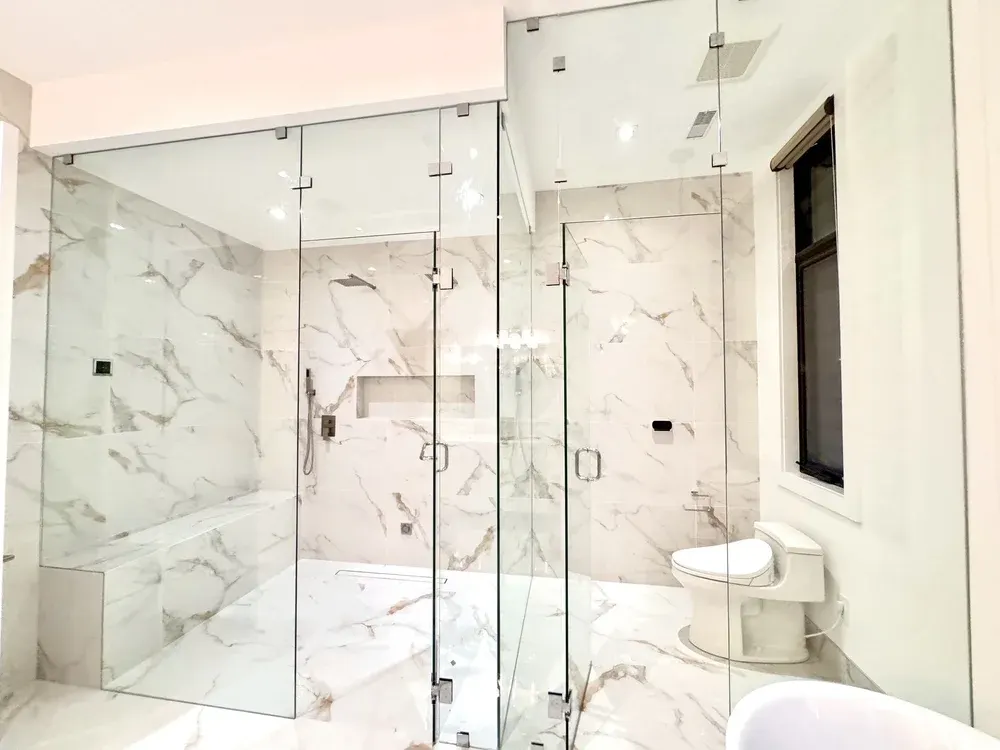
Most basement bathrooms get built as an afterthought. A toilet, a small sink, maybe a fiberglass shower stall squeezed under the ductwork, all lit by one bare fixture on the ceiling. It works, technically. But nobody wants to use it, and guests staying in the basement end up climbing the stairs anyway.
The good news is that a basement bathroom can be just as comfortable as any other in the house. It simply has a few challenges the upstairs bathrooms don’t: no natural light, lower ceilings, cold concrete underfoot, and plumbing that has to work against gravity. Get those right, and the rest falls into place. Whether you’re tackling it yourself or hiring a bathroom renovation contractor, these five upgrades make the biggest difference.
1. Deal With Moisture Before Anything Else
Basements already run damp in Canadian summers. Add daily hot showers, and you’ve got a recipe for peeling paint, mildew in the grout, and that musty smell drifting into the rest of the level.
A proper exhaust fan is non-negotiable. It needs to vent all the way outside, not into the ceiling cavity or a nearby joist space, which happens more often than you’d expect in older homes. As a rough guide, plan for about one CFM of airflow per square foot of bathroom, and bump it up if the shower is enclosed or the ceiling is high.
Humidity-sensing fans are worth the small extra cost. They turn on automatically when moisture rises and keep running until the room dries out, so you don’t rely on teenagers remembering to flip a switch. Pair that with a waterproofing membrane behind the shower tile, and you’ve solved the problem most basement bathrooms quietly struggle with for years.
2. Work With Your Plumbing, Not Against It
This is where basement bathrooms get tricky. Upstairs, waste flows down to the main drain with gravity doing the work. In the basement, your fixtures may sit at or below the sewer line.
You have a couple of options. If the main drain runs low enough, a contractor can cut into the concrete slab and tie new lines directly into it. It’s messy and loud for a few days, but the result is a normal, quiet bathroom with full-size fixtures.
If the drain sits too high, an upflush or macerating system pumps waste up to the main line. These have come a long way and work well for a powder room or a three-piece bath, though they do make some noise and need occasional servicing. For a larger bathroom with a shower and tub, a sewage ejector pit is usually the more reliable route.
Either way, new plumbing in Ontario generally requires a building permit and inspection. A licensed bathroom renovation contractor will know what your municipality expects and can handle the paperwork, which matters later if you ever sell or rent the basement.
3. Rethink the Lighting Completely
Without windows, lighting does all the heavy lifting. One overhead fixture casts harsh shadows on your face at the mirror and leaves corners looking gloomy.
Layer it instead. Slim LED pot lights work well under low ceilings because they sit nearly flush. Add sconces on either side of the mirror, or a lit mirror, for even light while shaving or doing makeup. A small LED strip under a floating vanity or inside a shower niche adds a soft glow that makes late-night trips far less jarring.
Color temperature matters more than people realize. Bulbs in the 2,700K to 3,000K range feel warm and natural. Anything much cooler can make a windowless room feel clinical, like a dentist’s office.
4. Make the Space Feel Bigger Than It Is
Basement bathrooms are rarely generous in size, and low ceilings make them feel even tighter. A few smart choices open things up without moving a single wall.
Swap a bulky shower stall for a curbless shower with a single fixed glass panel. Your eye travels across the whole floor uninterrupted, which instantly makes the room read larger. A wall-mounted vanity does the same thing by showing more floor underneath, and it’s easier to clean around.
Large-format tiles mean fewer grout lines and a calmer look. Run the same tile from the floor up the shower wall for a continuous, seamless effect. A pocket door saves the swing space a regular door takes up, which helps when the bathroom sits under the stairs or next to a mechanical room.
Light, warm colors help, but don’t feel stuck with all white. A deep green or navy on a single wall can actually make a small room feel cozier and more deliberate.
5. Choose Materials That Handle Cold and Damp
What you put into a basement bathroom has to cope with conditions that would wreck materials elsewhere in the house.
Porcelain tile is a safe bet for floors and walls. It’s dense, practically waterproof, and holds up for decades. Behind it, use cement board or a foam backer board in wet areas rather than standard drywall. For the rest of the walls, moisture-resistant drywall is a cheap upgrade worth making.
Concrete floors are cold for most of the year here, so electric radiant floor heating is one of the most appreciated upgrades. A thin heating mat goes under the tile and runs on a programmable thermostat. Stepping out of the shower onto a warm floor in February changes how you feel about the whole space.
Skip vanities made from cheap particleboard or MDF. Basement humidity causes them to swell at the edges within a few years. Solid wood, plywood boxes, or moisture-resistant finishes last much longer.
Planning Your Basement Bathroom With Y2
At Y2 Design & Build, we handle basement bathrooms for homeowners throughout Markham and the GTA, from small powder rooms to full ensuites for in-law suites. Because we design and build in-house, the plumbing plan, ventilation, and finishes are worked out together before anyone picks up a hammer, so there are fewer surprises once the slab is open.
If you’re looking for a bathroom renovation contractor who understands what basements throw at you, reach out to our team and let’s talk about what your space could become.
Planning a renovation?
Get a free, itemized quote for your project — no pressure, no hidden fees.
or call (647) 507-3639